Final Construction Cleaning in Winnipeg: What Builders Should Know
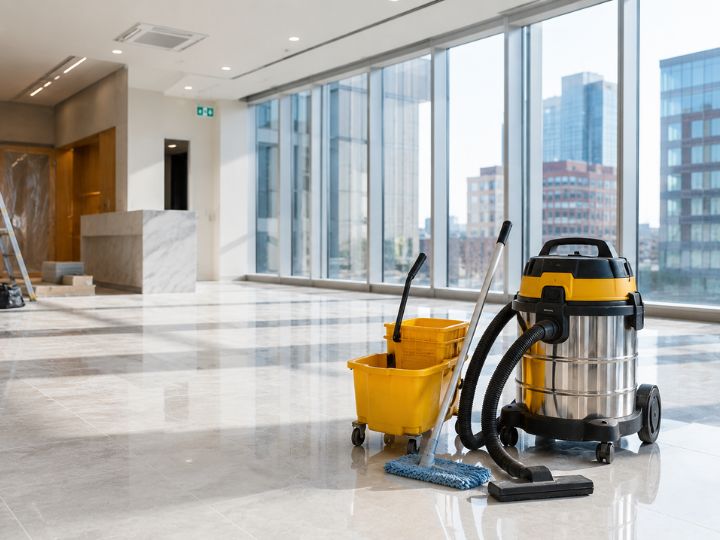
Final construction cleaning helps builders turn a dusty job site into a clean, handover ready space. Customers struggle when fine dust, debris, and residue delay inspections or upset clients.
They need the right cleaning plan. Our post construction cleaning experience of over three years helps builders manage these final steps.
This guide explains the stages, timing, scope, and challenges. You will learn how to prepare projects for final inspection, handover, and occupancy.
Understanding the Stages of Construction Cleaning
Construction cleaning usually happens in rough, final, and touch up stages. This problem happens when builders expect one cleaning visit to handle everything.
They need each stage planned correctly. The right timing reduces repeat work, protects finishes, and supports smooth handovers.
Rough Construction Cleaning
Rough construction cleaning removes large debris and prepares the site for later work. They clear wood, drywall pieces, packaging, and other loose waste.
This stage comes first. Customers benefit when workers can move safely through cleaner spaces.
Final Construction Cleaning
Final construction cleaning removes fine dust and detailed construction residue from finished spaces. The company cleans surfaces, fixtures, glass, floors, and other completed areas.
This stage needs care. Builders should schedule final cleaning after major work ends.
Touch Up Cleaning Before Handover
Touch up cleaning fixes new dust, marks, and missed spots before handover. They often find these issues after walkthroughs or last trade visits.
This final visit matters. Touch up cleaning helps keep the property presentation ready.
When Builders Need Each Cleaning Stage
Builders need each cleaning stage at different points during the project. They use rough cleaning during construction and final cleaning near completion.
They schedule touch ups last. The project timeline should guide the cleaning schedule.
When Should Final Construction Cleaning Be Scheduled
Final construction cleaning should start after major dusty and messy work finishes. Customers struggle when cleaners arrive while other trades still create dirt.
This timing saves money. It also helps prevent repeated cleaning.
Schedule Cleaning After Major Dust Producing Work
Builders should schedule final cleaning after drywall sanding and similar dusty work ends. This problem happens when fine dust spreads again after cleaners leave.
They should confirm trade completion first. Drywall dust can settle on many finished surfaces.
Coordinate Cleaning After Painting and Flooring Installation
Builders should coordinate cleaning after painting and flooring installation finish. They must allow enough time for materials to cure when required.
This protects finishes. Cleaning too early can damage new surfaces.
Prevent Recontamination from Remaining Trades
Builders prevent recontamination by limiting dusty work after final cleaning begins. They should coordinate all remaining trades before scheduling cleaners.
This reduces repeat work. Customers also avoid unnecessary cleaning costs.
Allow Time for Touch Ups Before Final Inspection and Handover
Builders should leave time for touch ups before inspections and handover. They may find dust, marks, or residue during the final walkthrough.
This extra time helps. A rushed schedule can leave visible cleaning issues.
How Builders Should Prepare a Site for Final Cleaning
Builders should prepare the site so cleaners can work safely and efficiently. Customers struggle when tools, waste, or missing utilities slow the cleaning process.
The company can work faster with clear access. Good preparation also helps create an accurate cleaning scope.
Complete Major Construction Work
Builders should complete major construction work before final cleaning starts. They should finish dusty and messy tasks whenever possible.
This prevents repeat cleaning. Completed work creates better final cleaning results.
Remove Tools Equipment and Remaining Materials
Builders should remove tools, equipment, and loose materials before cleaners arrive. They need clear floors and surfaces for proper cleaning.
This improves access. It also lowers the risk of damage.
Provide Safe Access and Working Utilities
Builders should provide safe access, water, and working power where needed. They should also keep walkways clear and safe.
This problem happens when crews cannot reach important areas. Good access helps cleaners finish on schedule.
Identify Sensitive or Newly Finished Surfaces
Builders should identify surfaces that need special care before cleaning begins. They may include delicate floors, glass, stone, or custom finishes.
The company can then choose safer methods. Early communication helps prevent costly damage.
Confirm Special Cleaning Requirements Before Work Begins
Builders should confirm special cleaning needs before the team starts work. They should discuss areas needing extra attention or specific products.
This creates a clear plan. A defined scope helps avoid missed expectations.
What Is Included in Final Construction Cleaning in Winnipeg
Final construction cleaning in Winnipeg includes detailed dust, residue, surface, fixture, and floor cleaning. The exact scope depends on the property and project condition.
Customers should confirm the full service list. Every construction project can have different cleaning needs.
Construction Debris and Waste Removal
Construction debris removal clears loose waste that remains after building work. They remove approved debris, packaging, and small leftover materials.
This creates working space. Waste responsibilities should remain clear before cleaning begins.
Fine Dust Removal with HEPA Vacuuming
HEPA vacuuming helps remove fine construction dust from completed areas. They use proper equipment to collect small dust particles.
This problem happens when normal cleaning leaves dust behind. Fine dust often settles again on finished surfaces.
Cleaning Walls Ceilings and Hard Surfaces
Final cleaning removes dust and marks from walls, ceilings, and hard surfaces. They work carefully around fresh paint and finished materials.
This needs attention. Clean surfaces improve the final look of the property.
Cleaning Doors Frames Trim and Baseboards
Final cleaning removes dust and residue from doors, frames, trim, and baseboards. They focus on edges where fine dust often collects.
These areas matter. Small details can affect the final presentation.
Removing Paint Adhesive Caulk and Construction Residue
Professional cleaners remove safe amounts of paint, adhesive, caulk, and other residue. They choose methods based on the surface type.
This requires care. Wrong tools can scratch or damage new finishes.
Cleaning Windows Glass Frames and Tracks
Final cleaning removes dust, marks, and residue from glass, frames, and tracks. They clean these areas carefully to avoid scratches.
Clear glass matters. Windows can quickly show missed construction residue.
Cleaning Light Fixtures Vents Switches and Hardware
Final cleaning removes dust from fixtures, vents, switches, and hardware. They focus on visible details that clients often notice.
These areas collect dust easily. Detail cleaning supports a complete final finish.
Kitchen and Bathroom Final Cleaning
Final cleaning prepares kitchens and bathrooms for inspection and future use. They clean cabinets, counters, fixtures, sinks, and other finished surfaces.
These rooms need detail. Builders should check each fixture before handover.
Floor Cleaning Based on Surface Type
Floor cleaning should match the material and manufacturer care requirements. They use suitable methods for tile, vinyl, hardwood, and other surfaces.
This protects new floors. Harsh methods can damage finished flooring.
The Final Construction Cleaning Process
The final construction cleaning process follows a planned order from site review to quality checks. The company works through each area to reduce missed spots.
This system saves time. It also supports consistent results across the property.
Site Walkthrough and Cleaning Scope Review
The site walkthrough identifies cleaning needs before detailed work begins. They review the property, surfaces, access, and project condition.
This creates clarity. Builders can discuss special needs before cleaning starts.
Initial Debris Removal
Initial debris removal clears loose waste before detailed cleaning begins. They remove approved items that block access.
This step comes early. Cleaners need open spaces for efficient work.
Top to Bottom Dust Removal
Top to bottom dust removal starts with high areas and moves downward. They clean higher surfaces before lower surfaces and floors.
This reduces repeat work. Dust falls onto lower areas during cleaning.
Detailed Surface and Fixture Cleaning
Detailed cleaning focuses on finished surfaces, fixtures, and visible details. They remove remaining dust, marks, and light residue.
This step improves appearance. Customers often notice these details during walkthroughs.
Residue Removal and Spot Treatment
Spot treatment removes remaining construction residue from specific finished areas. They check the surface before choosing a cleaning method.
This requires care. Strong products may harm some new materials.
Floor Cleaning and Final Detailing
Floor cleaning and final detailing complete the main cleaning work. They clean floors after higher surfaces and other details.
This keeps floors cleaner. The team also checks visible edges and corners.
Final Walkthrough and Quality Control
The final walkthrough checks the property for missed dust, marks, or residue. They review completed areas before project handover.
This step matters. Quality control helps deliver a cleaner final result.
Protecting New Surfaces During Final Construction Cleaning
Final construction cleaning should protect new surfaces while removing construction dirt. Customers struggle when poor cleaning methods cause scratches or finish damage.
The company should match methods to materials. Careful cleaning protects the builder’s completed work.
Follow Manufacturer Cleaning Requirements
Cleaners should follow manufacturer care instructions for finished materials whenever available. They should avoid methods the manufacturer does not recommend.
This reduces risk. Material requirements can differ between products.
Use Surface Appropriate Cleaning Methods
Surface appropriate methods match the cleaning approach to each material. They may need different products for glass, stone, flooring, or metal.
This protects finishes. One cleaning method does not suit every surface.
Prevent Scratches on Glass Fixtures and Finished Surfaces
Careful tools and techniques help prevent scratches on finished surfaces. They should remove loose grit before wiping delicate materials.
This is important. Fine debris can scratch glass and polished surfaces.
Avoid Damage from Improper Chemicals and Abrasive Tools
Cleaners should avoid improper chemicals and harsh abrasive tools on new finishes. They should test suitable methods when surface requirements remain unclear.
This problem happens when cleaners rush. Safe methods protect expensive completed work.
Commonly Missed Areas During Final Construction Cleaning
Commonly missed areas often hide dust and residue after the main cleaning work. Customers may notice these spots during final walkthroughs.
The company should inspect details carefully. Small areas can affect the whole property’s appearance.
Air Vents Grilles and High Surfaces
Vents, grilles, and high surfaces often collect fine construction dust. They need careful inspection during detailed cleaning.
Dust can spread again. Clean high areas before cleaning lower surfaces.
Window Tracks Frames and Edges
Window tracks, frames, and edges can hold hidden dust and debris. They often need more detail than visible glass.
This area gets missed easily. Tracks can show dirt during inspections.
Baseboards Trim and Door Frames
Baseboards, trim, and door frames collect dust along narrow edges. They need detailed wiping and close inspection.
These details matter. Clean edges improve the finished appearance.
Light Fixtures Switch Plates and Hardware
Light fixtures, switch plates, and hardware can hold dust and fingerprints. They need careful cleaning without damaging finished parts.
These areas stay visible. Clients often notice them quickly.
Cabinet Interiors Drawers and Shelving
Cabinet interiors, drawers, and shelving may hold dust from construction work. They should be checked before occupancy.
This improves readiness. Clean storage areas support a complete handover.
Corners Edges and Other Hard to Reach Areas
Corners and edges often hold dust after normal cleaning. They need extra checks during final detailing.
This takes time. Detailed inspections help prevent missed spots.
Key Considerations for Winnipeg Builders and Contractors
Winnipeg builders should plan cleaning around scope, weather, trades, and project deadlines. Local conditions can affect access and site cleanliness.
Clear planning helps. Good coordination can reduce delays and repeat cleaning.
Define the Cleaning Scope and Exclusions
Builders should define included cleaning tasks and exclusions before work begins. They should confirm rooms, surfaces, and special requirements.
This avoids confusion. A clear scope supports accurate scheduling and pricing.
Clarify Construction Waste Disposal Responsibilities
Builders should clarify who handles remaining construction waste before cleaning starts. They should not assume every cleaning service includes all disposal work.
This prevents disputes. Waste removal requirements should appear in the agreed scope.
Coordinate Cleaning with Multiple Trades
Builders should coordinate cleaning around plumbers, painters, electricians, and other trades. They need to reduce new dirt after final cleaning.
This problem happens often. Late trade work can create more dust and marks.
Account for Winnipeg Winter Slush Mud and Moisture
Winnipeg winter conditions can bring slush, mud, and moisture into completed buildings. Builders should protect entrances and walking areas when conditions worsen.
This keeps floors cleaner. Entry protection can reduce repeated cleaning needs.
Protect Completed Areas from Recontamination
Builders should protect cleaned areas from new dust and foot traffic. They can limit access after final cleaning where possible.
This supports better results. Protection helps maintain handover ready conditions.
Common Final Construction Cleaning Challenges
Final construction cleaning challenges usually involve dust, residue, sensitive finishes, and tight deadlines. Customers struggle when these problems appear near project completion.
Early planning helps. The company can handle issues better with a clear scope.
Removing Fine Drywall and Construction Dust
Fine drywall and construction dust require detailed cleaning and proper vacuum equipment. They can settle repeatedly across finished surfaces.
This takes patience. One quick wipe often does not solve the problem.
Removing Paint Adhesive Caulk and Construction Residue
Paint, adhesive, caulk, and residue need careful removal from finished surfaces. They should use methods suited to each material.
This requires skill. Aggressive scraping can damage completed surfaces.
Cleaning Without Damaging Newly Installed Finishes
Safe final cleaning removes dirt without harming newly installed finishes. They should understand each surface before using products or tools.
This protects investments. Careful cleaning lowers the risk of damage.
Managing Last Minute Cleaning Before Project Handover
Last minute cleaning requires clear priorities and a realistic work schedule. Builders should identify critical areas before the team arrives.
This saves time. Early planning prevents unnecessary handover stress.
Final Cleaning for Inspections Punch Lists and Project Handover
Final cleaning supports inspections, punch list work, and a cleaner project handover. Customers need the site to look complete and well maintained.
Cleaners and builders should coordinate closely. Final conditions can change after other work continues.
Preparing for the Final Site Walkthrough
A final site walkthrough checks visible cleanliness before inspection or handover. They should review important rooms and finished surfaces.
This finds issues early. Early checks leave time for corrections.
Cleaning Around Outstanding Punch List Items
Cleaners should coordinate around outstanding punch list work before final handover. They may need to return after dusty corrections finish.
This prevents rework. Builders should share punch list timing clearly.
Maintaining Clean Conditions Until Handover
Builders should protect cleaned spaces until the client receives the property. They can limit unnecessary traffic and messy work.
This keeps standards high. A clean site should remain clean through handover.
Preparing the Space for Occupancy
Final cleaning prepares completed spaces for occupancy after required project steps finish. They remove visible dust and construction residue from usable areas.
This improves presentation. The final condition should match the project handover plan.
What Builders Should Provide When Requesting a Final Construction Cleaning Quote
Builders should provide clear project details for an accurate final construction cleaning quote. Customers struggle when providers receive incomplete scope information.
Good details help. They allow the company to plan labour, equipment, and time.
Property Type and Project Scope
Builders should describe the property type and required cleaning scope clearly. They should explain whether the project involves commercial, office cleaning, retail, or other spaces.
This improves planning. Different properties need different cleaning approaches.
Approximate Size of the Area
Builders should provide the approximate size of areas needing cleaning. They can share square footage and the number of rooms.
This helps estimate work. Larger spaces usually need more labour and time.
Current Construction Stage and Site Condition
Builders should explain the current construction stage and site condition. They should mention remaining dust, debris, residue, and active trades.
This supports accurate planning. The site condition affects cleaning time and scope.
Required Cleaning Date and Handover Deadline
Builders should provide the cleaning date and expected handover deadline. They should also mention inspection dates when relevant.
This helps scheduling. Early booking gives more planning flexibility.
Special Surfaces Areas or Cleaning Requirements
Builders should identify special surfaces and areas needing extra care. They should share any manufacturer requirements or project instructions.
This reduces surprises. Clear details help protect finished materials.
How to Choose a Final Construction Cleaning Company in Winnipeg
Builders should choose a company with relevant experience, equipment, clear scope, and quality controls. Customers need a team that understands construction sites and deadlines.
The cheapest option may not fit every project. Builders should compare scope and capability carefully.
Experience with Post Construction and Commercial Cleaning
Relevant experience helps cleaners understand construction dust, residue, and project timelines. They should know how commercial and completed sites operate.
This builds confidence. Experienced teams can plan detailed cleaning work more effectively.
Appropriate Equipment for Fine Dust and Detailed Cleaning
The right equipment helps remove fine dust and clean detailed finished areas. They should use suitable tools for the project scope.
Equipment matters. Poor tools can slow work and reduce cleaning quality.
Clear Scope Pricing and Project Scheduling
A clear scope explains the cleaning work, timing, and agreed project requirements. They should discuss extra work before it creates confusion.
This supports planning. Clear communication helps control project expectations.
Insurance Safety Procedures and Site Requirements
Professional cleaners should follow site safety rules and agreed project requirements. They should also maintain appropriate business and safety practices.
This protects everyone. Builders should discuss site rules before work starts.
Quality Control and Final Walkthrough Process
A quality control process checks completed cleaning before the project moves toward handover. They should inspect key areas and address clear missed items.
This supports consistency. A final walkthrough helps builders feel more confident about presentation.
Conclusion
Final construction cleaning requires good timing, clear scope, and careful attention to finished surfaces. Builders should plan cleaning after major dusty work ends. They should also protect cleaned areas before handover.
Winnipeg post construction cleaning services can help manage detailed cleaning, dust control, and final checks. The right team supports inspections and project deadlines. This helps builders present cleaner completed spaces.
With over three years of post construction cleaning experience, we understand builder concerns and tight schedules. We provide trusted Winnipeg post construction cleaning services for detailed final cleaning needs. Contact us today, and we will help prepare your project for a cleaner handover.